

Arabica Coffee Beans
Arabica Coffee : The Elixir of Elegance

Introduction: In the vast world of coffee, one bean stands out as the epitome of refinement and flavor—Arabica. Renowned for its delicate taste, aromatic profile, and a touch of sophistication, Arabica coffee beans have become synonymous with high-quality brews that captivate the senses. Let’s embark on a journey to explore the fascinating world of Arabica coffee and discover why it has earned its place as the connoisseur’s choice.
The Origins: Arabica coffee is believed to have originated in the high-altitude regions of Ethiopia. The plant, known scientifically as Coffea arabica, thrives in cooler climates with ample rainfall. Today, Arabica coffee is cultivated in coffee-growing regions around the world, including Latin America, Africa, and Asia. Flavor Profile: What sets Arabica apart from other coffee varieties is its exceptional flavor profile. Known for its smooth, mild taste, Arabica coffee boasts a subtle acidity and a range of nuanced flavors. From floral and fruity notes to hints of chocolate and nuts, each sip of Arabica coffee is a sensory experience. This complex flavor profile makes it a favorite among those who appreciate the artistry of coffee brewing.
Growing Conditions: Arabica plants are notoriously finicky when it comes to their growing conditions. They thrive at higher altitudes, typically between 2,000 to 6,000 feet above sea level. The cooler temperatures and well-defined seasons in these elevated regions contribute to the slow maturation of the coffee cherries, resulting in beans with a more concentrated flavor. Cultivation Challenges: While the exquisite taste of Arabica coffee is a reward for coffee enthusiasts, its cultivation poses challenges to coffee farmers. Arabica plants are more susceptible to pests and diseases compared to their hardier counterpart, Robusta. Additionally, the delicate nature of Arabica requires careful attention to factors like shade, soil quality, and precise harvesting methods.
Sustainable Practices: The growing demand for Arabica coffee has led to increased awareness of sustainable and ethical practices in coffee farming. Many Arabica producers are adopting environmentally friendly cultivation methods, including shade-grown farming, organic practices, and fair trade initiatives. These efforts not only protect the delicate ecosystems where Arabica thrives but also support the livelihoods of the communities involved in its production.
Brewing Tips: To fully appreciate the nuances of Arabica coffee, brewing methods play a crucial role. Whether you prefer a pour-over, French press, or espresso, the key lies in preserving the delicate flavors. Opt for a medium grind to ensure an even extraction, and consider experimenting with water temperature and brew time to find the perfect balance for your taste buds.
Conclusion: Arabica coffee beans have rightfully earned their status as the beverage of choice for those who seek an elevated coffee experience. From its rich history to the delicate cultivation process and the intricate flavor profile, Arabica embodies the essence of coffee craftsmanship. So, the next time you savor a cup of Arabica coffee, take a moment to appreciate the journey that brings this elixir of elegance to your mug—a journey that begins in the high-altitude regions and culminates in a symphony of flavors that dance on your palate.
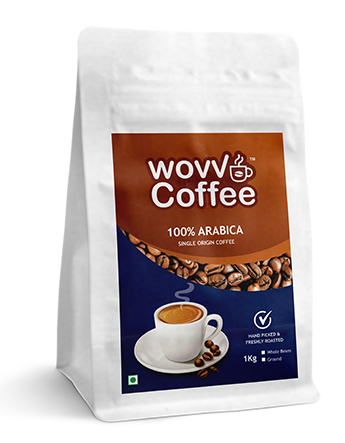
For Freshly roasted coffee beans please visit: https://www.wovvcoffee.com/
Blog image post (sticky)
Donec vitae hendrerit arcu, sit amet faucibus nisl. Cras pretium arcu ex. Aenean posuere libero eu augue condimentum rhoncus. Praesent ornare tortor ac ante egestas hendrerit. Aliquam et metus pharetra, bibendum massa nec, fermentum odio.
Libero lorem
Donec vitae hendrerit arcu, sit amet faucibus nisl. Cras pretium arcu ex. Aenean posuere libero eu augue condimentum rhoncus. Praesent ornare tortor ac ante egestas hendrerit. Aliquam et metus pharetra, bibendum massa nec, fermentum odio.